When Should You See an Implantologist? Why You Should Not Delay After Tooth Loss

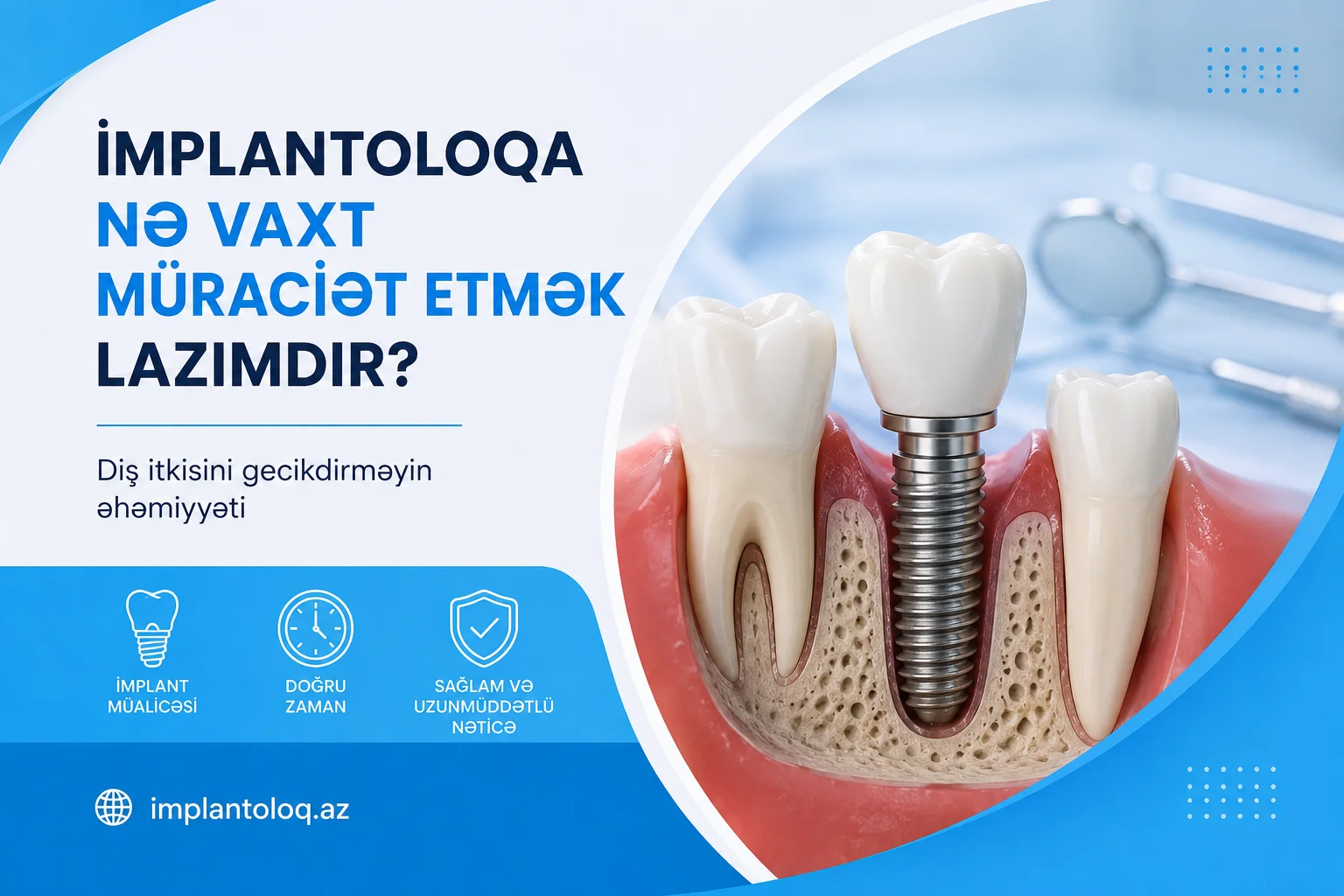
When Should You See an Implantologist? Why You Should Not Delay After Tooth Loss
Who is an implantologist and why does it matter?
For many people, losing a tooth first looks like a purely cosmetic problem. Especially when the missing tooth is at the back and does not show when smiling, patients often put off treatment thinking "it will do for now". Yet tooth loss is not only about appearance. Losing a single tooth can affect chewing, the neighbouring teeth, the health of the jawbone and the overall structure of the mouth. That is exactly why it is important to see an implantologist in good time after a tooth has been removed or lost.
An implantologist is a specialist who works in dental implantology and draws up treatment plans to replace missing teeth. It is the implantologist who decides on the right implant plan, taking into account the condition of the mouth, bone volume, gum health, the patient's general health and their chewing needs. Some patients think implants only become relevant once a tooth is completely gone. In fact, if there is a chance a tooth will need to be removed, it is better to see an implantologist beforehand.
This is because in some cases an implant can be placed at the moment of extraction or shortly afterwards. For that, however, there must be an examination in advance and proper planning based on an X-ray or a 3D CBCT scan. If the patient waits for months or years, the bone volume in that area can shrink, the neighbouring teeth can tilt towards the gap and the opposing tooth in the other jaw can grow into the space. Implant treatment can then become a harder, longer and sometimes more expensive process.
The best time to see an implantologist
The best time to see an implantologist is the early period after tooth loss. If a tooth has been removed, there is a gap, an old bridge or denture is causing discomfort, or you feel pain or an empty space when chewing, you should get examined without delay. The main aim here is not just to place an implant, but to protect the overall health of the mouth. A skilled implantologist first decides whether the patient is suitable for implants and then offers an individual treatment plan.
Many patients delay because they are afraid of implant treatment. The most common questions are: "Does an implant hurt?", "Is my bone suitable for an implant?", "How many years does an implant last?", "How is the price calculated?", "Do I need one implant or several?" These questions can only be answered precisely after an examination, because every patient's mouth, bone condition and tooth loss are different.
For example, one person may be missing a single tooth and a simple implant plan may be enough. In another patient, bone loss may have occurred in an area that has been without a tooth for a long time. In that case bone grafting or other additional procedures may be needed before the implant. In some cases, when back teeth in the upper jaw are lost, the condition of the sinus area is also taken into account. So an implantologist's examination is not just a look at the tooth; it is a full planning process.
What problems can delaying after tooth loss cause?
One of the main risks of waiting after tooth loss is that changes start in the jawbone. A tooth root naturally stimulates the jawbone. When the tooth is lost, the bone in that area is no longer loaded as before and can lose volume over time. The patient may not notice this straight away. But as months and years pass, the bone height and width needed for an implant can decrease. That is why an implantologist sees tooth loss not just as a gap, but as a condition that may change the structure of the mouth in the future.
Another important issue is the movement of neighbouring teeth. When a gap forms in the mouth, the neighbouring teeth can gradually tilt towards it. This disturbs the alignment of the teeth and can reduce the space needed for a future implant. The opposing tooth in the other jaw can also grow towards the gap. As a result, simple implant treatment may end up needing more complex orthodontic or prosthetic planning. Seen this way, seeing an implantologist in good time is the more sensible decision both for your health and financially.
Most patients looking for an implantologist in Baku only start choosing after they have lost a tooth. The ideal approach, though, is to be examined as soon as the problem appears, because a decision made early can lead to a simpler and more stable result. The main goal of implant treatment is not only to fill the gap, but to keep comfortable chewing, a natural appearance and good oral health for a long time.
Can you see an implantologist before a tooth is removed?
One situation where it is important to see an implantologist is when a tooth can no longer be saved by treatment. Sometimes a patient keeps a problem tooth for years, takes painkillers when it hurts or drags things out with temporary treatments. But if the root is badly damaged, there is a deep fracture, inflammation keeps coming back and the tooth cannot handle chewing forces, keeping that tooth is not always the right choice. In such a case the implantologist and the dentist can assess it together and decide on the healthiest option.
If a tooth has to be removed, planning the implant in advance is more helpful. When it is known beforehand how the gap left after extraction will be restored, the process is more controlled. Some patients live with a gap for years after an extraction and only see a doctor when chewing becomes harder. By then bone loss, tooth movement and gum changes may already have happened. An early implantologist examination can help prevent these risks.
What if an old bridge or denture is causing problems?
Another reason to see an implantologist is when an old bridge or denture is causing discomfort. In the past, bridges were widely used to replace missing teeth. A bridge can still be a suitable choice in some cases, but it may require healthy neighbouring teeth to be ground down. An implant, on the other hand, can restore the gap with less intervention on the neighbouring teeth. So patients with an old bridge, a loose denture or discomfort when chewing can have an implantologist examination and learn about the alternatives.
An implantologist examination is also important when some or all teeth are missing. Patients who have lost several teeth sometimes use removable dentures. But a removable denture is not comfortable for everyone. A denture that moves, gets in the way when speaking, does not stay in place when eating and irritates the gums can lower quality of life. In this case implant-supported dentures or fixed restorations on implants can be a more comfortable solution. Which option is suitable can only be decided by an implantologist after an examination and assessment.
Are implants possible if there is not enough bone?
Sometimes patients think, "I have no bone, so implants are impossible." In reality, a lack of bone does not mean implant treatment is completely impossible. In modern implantology, bone grafting, a sinus lift and other supporting procedures can in some cases create suitable conditions for an implant. But the key here is accurate diagnosis and realistic planning. A professional implantologist should not make unnecessary promises; they should explain the situation openly and present the stages correctly.
When planning implant treatment, it is not only the gap that is considered, but also the patient's general health. Diabetes, smoking, gum disease, oral hygiene, bone quality and some medications can affect the success of an implant. This does not mean such patients cannot have implants. It simply means the examination must be more careful, the risks must be properly assessed and the patient needs an individual approach. A good implantologist is not just a doctor who places implants, but also a planner who takes the patient's overall condition into account.
What should you look for when choosing an implantologist in Baku?
One thing a patient should pay attention to when choosing an implantologist is how the doctor explains things. During the examination, the situation should be explained in plain language: which teeth are missing, what the bone condition is, how many implants are needed, whether an additional procedure is required, how many stages the treatment has and what to expect from the result. If a patient decides without understanding the essence of the treatment, the chance of dissatisfaction later increases. That is why clear and trusting communication between the implantologist and the patient is so important.
Price is also an important factor for patients choosing an implantologist in Baku. But in implant treatment it is not right to look at price alone, because it can be affected by the implant system, diagnostics, the surgical stage, the prosthetic stage, additional procedures and the doctor's experience. The cheapest offer is not always the best choice. At the same time, a high price does not automatically mean an ideal result. The healthiest approach is to be examined, understand the plan and make an informed decision.
For patients who see an implantologist late, a simple treatment plan sometimes turns into a longer process. For example, bone grafting may be needed first, then a healing period, then implant placement and finally the prosthetic stage. This makes a difference in both time and cost. So thinking "let me wait a while" after losing a tooth is not always safe. Even if you have not decided on an implant yet, it is better to at least get examined and know the real situation.
Why is individual planning important in implant treatment?
One of the main benefits of seeing an implantologist is getting an individual treatment plan. Every patient's teeth, bone condition, chewing habits and aesthetic expectations are different. So no single standard scheme suits everyone in implant treatment. While one patient may need only a single implant, another may need several implants, an implant-supported bridge or a full-arch restoration. The implantologist should weigh all these options and choose the most sensible path for the patient.
3D diagnostics play an important role when the treatment plan is made. With a simple visual examination it is hard to judge accurately the real bone volume, the position of the nerve canal, the condition of the sinus and the right angle for the implant. That is why a CBCT scan is very useful for implant planning. It helps the implantologist make a more precise decision. Precise planning, in turn, helps both the surgical stage and the later prosthetic result turn out right.
What does the lifespan of an implant depend on?
One of the things patients ask about most is how long an implant lasts. An implant's lifespan does not depend only on its brand. The doctor's planning, the surgical technique, the bone condition, a properly made prosthetic part, the patient's oral hygiene and regular check-ups also play a big role. That is why an implantologist should guide the patient not only on the day of surgery, but also during the aftercare stage.
Once the implant is in place, the patient's responsibility begins. In the first days it is important to follow the doctor's advice, look after oral hygiene, cut down on smoking and not postpone check-ups. An implant needs care just like a natural tooth. Some patients think that once an implant is in, it needs no special attention. That is the wrong approach. The gum and bone around the implant must stay healthy for the result to remain stable for a long time.
When should you see an implantologist after getting an implant?
You should see an implantologist not only after losing a tooth, but also after getting an implant. Check-ups are important for monitoring the implant. If you notice bleeding gums, swelling around the implant, discomfort when chewing, a loose prosthetic part or bad breath, you should see the doctor without delay. Early treatment can stop many problems from getting worse.
Dental implants also matter from an aesthetic point of view. Especially when planning an implant in the front teeth area, simply placing the implant in the bone is not enough. The shape of the gum, the colour of the tooth, how it matches the neighbouring teeth and the smile line must also be taken into account. So front-tooth implants require more careful aesthetic planning. An experienced implantologist should think about function and appearance together.
For back teeth the main concern is chewing. Back teeth are important for grinding food and keeping the jaws in balance. When these teeth are lost, the patient may start chewing on one side only. Over time this can affect the jaw joint, the other teeth and overall chewing comfort. So gaps at the back that nobody sees should not be ignored either. An implantologist can assess whether an implant is possible in that area and prepare a plan to restore function.
Should you be afraid of implant treatment?
Some patients imagine implant treatment as a frightening procedure. In fact, with proper planning and local anaesthesia, implant surgery can be quite comfortable for the patient. What matters most is the doctor's experience, sterile conditions, accurate diagnosis and attention to the patient's general condition. When the process is explained to the patient before surgery, fear also decreases. The unknown worries people more; a clear explanation makes the decision easier.
When choosing an implantologist, a patient should not rely only on advertising and price. The doctor's approach, the explanations given during the examination, the attention paid to diagnostics, previous experience and the way the doctor responds to the patient's questions matter more. A good implantologist does not rush the patient, explains the real situation, does not hide the risks and presents the possible options side by side. This helps the patient make a calmer and better decision.
See an implantologist without delay after tooth loss
In conclusion, it is not right to delay seeing an implantologist after losing a tooth. A single gap can turn into a bigger problem over time. Bone loss, tilting of neighbouring teeth, disturbed chewing balance and cosmetic concerns can make future treatment harder. A timely examination, on the other hand, lays the foundation for a simpler, better planned and healthier result.
If a tooth has been removed, you have a gap, an old denture or bridge is bothering you, you feel discomfort when chewing or you are thinking about implant treatment, an implantologist examination is the right step. The examination can establish precisely whether implants suit you, how many implants are needed, whether an additional procedure is required and what stages the treatment will involve.
Healthy teeth matter not only for a nice smile, but also for comfortable eating, clear speech and overall quality of life. Replacing a missing tooth in good time can prevent bigger problems later. That is why seeing an implantologist is not just a cosmetic choice, but a well-considered decision for the health of your mouth and jaw.
Frequently asked questions
When should you see an implantologist?
It is advisable to see an implantologist after a tooth has been removed or lost, or when there is a chance a tooth will need to be removed. An early examination can reduce the likelihood of more difficult treatment in the future.
What can happen if a gap is left for a long time?
If a gap is left for a long time, the neighbouring teeth can tilt towards it, the opposing tooth can over-erupt and the bone volume in that area can decrease. This can make future implant treatment harder.
What can be done if there is not enough bone for an implant?
In some cases a lack of bone can be corrected with additional procedures. For this, an implantologist examination and 3D diagnostics are essential.
What is checked at an implantologist examination?
The examination assesses the gap, bone volume, gum health, jaw structure and the patient's general condition. An individual implant plan is then prepared.
Can implant treatment be postponed?
In some cases a short wait may not cause a serious problem, but a long delay can lead to bone loss and tooth movement. That is why it is better not to postpone the examination.
This is general information. Your suitability, treatment time and cost are assessed individually during an examination.