The Healing Period After Implant Surgery: What Should You Pay Attention To?

The Healing Period After Implant Surgery: What Should You Pay Attention To?
What Should You Watch For in the First Days?
Dental implant treatment is one of the most modern and reliable ways to replace missing teeth. Modern implant systems make it possible to restore both appearance and chewing function. However, how long and how well an implant works does not depend only on the quality of the surgery. The healing period after surgery is considered at least as important a stage as placing the implant itself.
Many patients are not fully aware of the rules to follow after implant surgery, and so they may run into some problems. Yet proper care and following the doctor's advice speed up healing and help the implant fuse with the bone without problems.
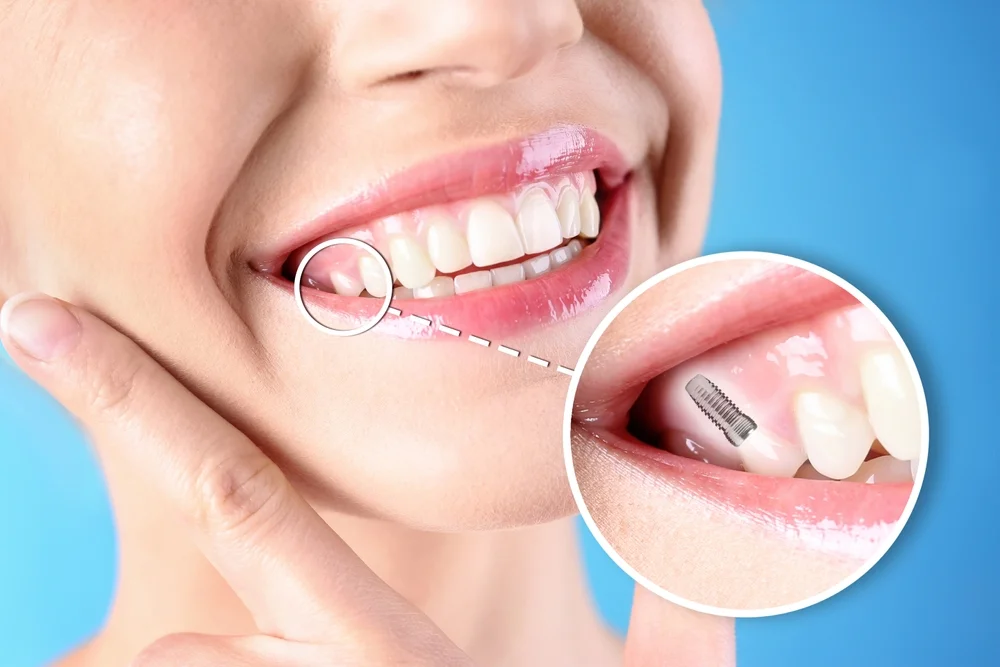
Once the implant is placed, a process called “osseointegration” begins in the body. At this stage, the implant fuses with the jawbone and becomes firm. This process usually lasts several months. Healing tends to be faster in the lower jaw, while in the upper jaw the bone is softer, so it may take longer.
The first 24 hours after surgery are considered especially important. During this time, slight bleeding, pain and swelling are normal. Patients often worry about these signs, but in most cases they are the body's natural reaction. The key is to judge correctly whether the symptoms are within normal limits.
In the first hours, the gauze pad placed by the doctor should be kept in for about 30–40 minutes. Spitting forcefully, rinsing the mouth vigorously or touching the implant area can increase bleeding. So on the first day you should be as careful as possible.
A cold compress is very helpful for reducing swelling. Placing ice on the cheek area helps reduce swelling and pain. However, ice should not touch the skin directly. The best method is to apply ice for 10 minutes and then take a short break.
Diet also plays an important role after surgery. Very hot food and drinks are not recommended in the first days. Hot food increases blood flow and can raise the risk of bleeding. So it is better to choose lukewarm, soft food. Yogurt, purées, soft soups and liquid foods are especially comfortable during the healing period.
Some patients try to return to their normal routine right after the implant. However, heavy physical activity, sport and overexertion are not advised in the first days. A rise in blood pressure can increase bleeding and swelling in the implant area.
Oral hygiene is also one of the most important factors for a successful implant. Many people avoid brushing their teeth after surgery. In reality, correct and careful cleaning helps reduce the risk of infection. It is simply important not to press too hard on the implant area.
Pain, Swelling and Eating Guidelines After an Implant
One of the most common questions after implant surgery is how long the pain will last. Since implant placement is a surgical procedure, some discomfort is completely normal. Most patients feel the pain more in the first 2–3 days, after which it gradually eases. The painkillers and antibiotics prescribed by the doctor help make this period more comfortable.
In some cases, slight bruising and swelling may also appear in the implant area. This is more common after bone grafting or complex implant surgery. Swelling usually peaks on the second or third day and then starts to go down. If the swelling keeps getting bigger, or a high temperature and pus discharge appear, you should contact your dentist without delay.
Proper nutrition during healing directly affects the success of the implant. Soft, lukewarm food is recommended in the first days. Very hard food can put pressure on the implant area and disrupt healing. In particular, you should avoid nuts, seeds, dry bread and chewing gum for a while.
One of the most common mistakes patients make is drinking hot tea or coffee right after surgery. High temperatures can increase bleeding and cause problems at the stitches. So it is safer to avoid hot drinks in the first days.
Smoking after implant surgery also creates a serious risk. Smoking weakens the blood supply to the tissues and slows down the process of the implant fusing with the bone. Statistically, implant failures are higher among smokers. For this reason, doctors advise staying completely away from cigarettes at least during the healing period.
Alcohol should also be limited for a while. Alcohol can change how the medicines you take work and can slow tissue repair. Especially in the first days after surgery, it is important for the body to stay calm and stable.
The patient's own responsibility plays a big role in making an implant last. Following the doctor's instructions and keeping up oral hygiene significantly reduces the chance of future problems.
Oral Hygiene After an Implant and the Full Healing Process
To achieve a successful result after implant surgery, special attention must be paid to oral hygiene. Many patients think an implant needs no special care because it is an artificial tooth. In fact, inflammation and bacteria around the implant can lead to serious problems if they are not cleaned away in time.
In the first days after surgery, the teeth should be cleaned carefully with a soft-bristled brush. Pressing hard on the implant area is not right, but giving up oral hygiene altogether is also dangerous. Using the antiseptic mouth rinses recommended by your doctor helps reduce bacteria and keep the risk of infection to a minimum.
During healing, some sensitivity may be felt where the implant is placed. In most cases this is normal. However, a moving implant, long-lasting severe pain or a swelling of the gum with pus may indicate that the implant has not integrated properly. In such cases a dental examination is essential.
How long it takes for the implant to fuse with the bone differs from patient to patient. In some people healing is faster, while in others the process may take several months. The patient's age, bone quality, general health and lifestyle are the main factors that affect this process. Healing should be monitored especially carefully in people with diabetes or immune system problems.
Regular check-ups with the doctor play an important role in a successful implant result. During follow-up visits, the doctor assesses the condition of the implant and, if needed, checks how it is fusing with the bone using X-ray images. Problems detected at an early stage are easier to solve.
Many patients want to know when they can go back to eating normally after an implant. This depends on the type of implant used and how fast healing goes. Usually you can move gradually from soft foods to a normal diet. Still, it is recommended not to rush into very hard foods.
With proper care, an implant can be used without problems for many years after it is placed. Modern implant systems are known for their high durability and offer function very close to that of a natural tooth. For this, both choosing a professional doctor and following daily care routines are important.
In conclusion, the healing period after implant surgery is a stage that requires attention and responsibility. Following the doctor's advice, eating properly, avoiding smoking and maintaining oral hygiene are considered the main conditions for a long-lasting implant.
This is general information. Your suitability, treatment time and cost are assessed individually during an examination.