How Many Years Does an Implant Last? Advice From an Implantologist

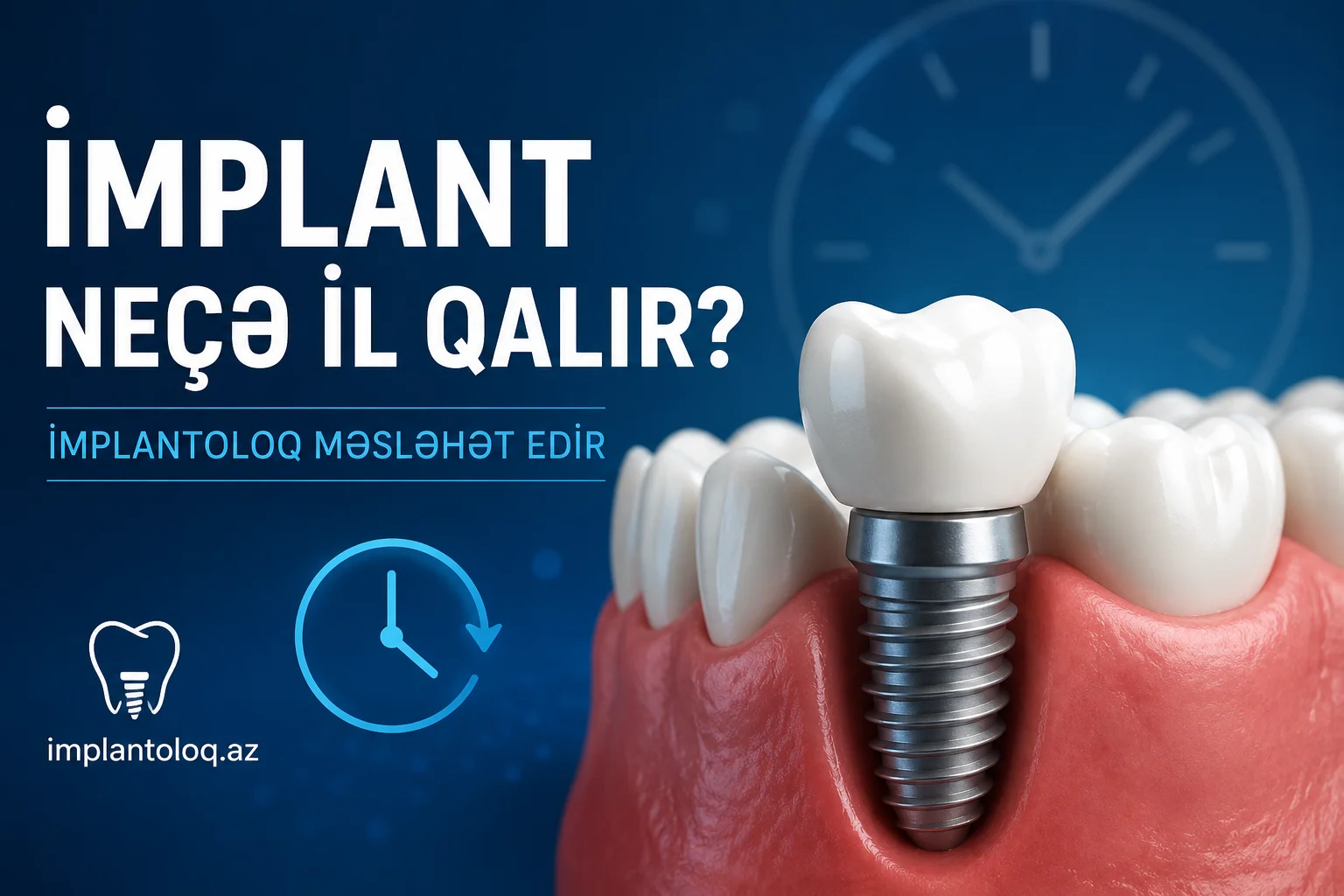
How Many Years Does an Implant Last? Advice From an Implantologist
In recent years, dental implants have become one of the most reliable and long-lasting ways to replace missing teeth. Interest in implant treatment keeps growing, because it restores appearance and offers function close to a natural tooth. Yet one of the most common questions people ask when they consider implants is exactly this: how many years does an implant last?
Modern implant systems are in fact designed for many years of use. Implants that are placed correctly and well cared for can, in some cases, serve without problems for a lifetime. However, how long an implant lasts depends on many factors, and the result can differ from patient to patient.
According to specialists, the average lifespan of quality implants can be 15–25 years or longer. There are also examples worldwide of implants that have been used without problems for more than 30 years. This is why implants are considered a long-term investment.
The first of the main factors affecting implant lifespan is the professionalism of the doctor. Placing the implant at the correct angle, proper integration with the bone and precise planning directly affect the future result. In modern implantology, computed tomography and 3D planning technologies help place the implant more precisely.
Another important factor is the patient's oral hygiene. Many people think an implant needs no special care because it is an artificial tooth. In reality, if bacteria and inflammation develop around the implant, this can cause the implant to loosen and even be lost.
For an implant to last a long time,
- brushing your teeth every day,
- using dental floss,
- regular dental check-ups,
- professional tartar removal
are essential.
Smoking is also one of the main causes of a shorter implant lifespan. Smoking weakens blood flow in the tissues and has a negative effect on the process of the implant fusing with the bone. Statistically, implant problems are seen more often in smokers.
In some cases, the crown on top of the implant may need to be replaced. This does not mean the implant has failed. When the implant itself remains healthy, only the prosthesis is renewed.
In modern implantology, implants that are cared for properly can be used comfortably for many years. That is why it is important to choose both the clinic and the implant system carefully before getting implants.
Which Factors Affect How Long an Implant Lasts?
How durable dental implants are does not depend only on the implant brand. For an implant to last, several important factors have to be right at the same time. Otherwise, even a quality implant can cause problems over time.
One of the most important issues is bone quality. Because the implant is placed in the jawbone, the bone needs to be strong and healthy enough. If bone volume is low or bone loss is present, it can be harder for the implant to fuse with the bone. For this reason, some patients have bone augmentation procedures before the implant.
Another key factor affecting implant lifespan is oral hygiene. Just as with natural teeth, bacteria can build up around an implant. Bacteria that are not removed in time cause inflammation in the tissues around the implant. This condition is called “peri-implantitis” and is considered a serious problem that can lead to implant loss.
For implants to stay healthy for many years,
- brushing at least twice a day,
- using dental floss,
- antiseptic mouth rinses,
- regular check-ups with your doctor
are very important.
The patient's lifestyle also affects how durable an implant is. Implant problems are especially common in smokers. Smoking reduces the oxygen supply to the tissues and slows healing. In addition, gum problems are seen more often in people who smoke.
Some people clench or grind their teeth at night. This condition is called “bruxism”. Strong pressure can put extra load on the implant and, over time, cause it to loosen. In such cases, special protective night guards are used.
Another important factor affecting implant lifespan is the doctor's experience. Placing the implant at the correct angle, distributing the chewing load properly and planning precisely are the core of a successful result. The 3D computed tomography used in modern clinics makes implant planning safer and more precise.
Some patients think an implant will never cause problems. In reality, an implant also needs regular monitoring. Timely check-ups help detect possible problems early and keep the implant longer.
Is an Implant for Life, and How Should You Care for It?
Many people want to know before treatment whether an implant lasts a lifetime. Modern implant systems are made for many years of use and, with proper care, can stay problem-free for a very long time. However, whether an implant truly lasts a lifetime is directly linked to the patient's oral care and general health.
An implant actually consists of two main parts:
- the titanium implant placed in the jawbone,
- the crown or prosthesis attached on top of the implant.
In most cases the implant itself can stay healthy for many years. The prosthetic part, however, may wear over time and need replacing. This is considered normal and does not mean the implant has failed.
Daily care is very important for an implant to last. Like natural teeth, implants need to be cleaned regularly. Otherwise bacteria build up around the implant and inflammation develops. If this problem is not treated in time, it can cause the implant to loosen.
For people with implants, specialists recommend
- using a soft toothbrush,
- flossing every day,
- professional dental cleaning,
- regular dental examinations
as the basis of good care.
Eating habits also affect implant lifespan. Constantly biting into very hard foods can put extra load on the implant and the prosthesis. Nuts, ice and other hard foods in particular should be eaten with care.
Choosing the right clinic and implant system also matters for keeping an implant healthy for a long time. Quality implant brands integrate better with the bone and give long-term results. For this reason, choosing on price alone is not the right approach.
The success rate in modern implantology is very high. Thanks to correct planning, a professional approach and good care, implants can be used for decades. With implants, many patients regain comfortable chewing and feel confident about their appearance.
In conclusion, how long implants last varies with individual factors. But implants that are placed professionally and cared for properly can serve without problems for many years. That is why it is better to see implant treatment not just as a cosmetic procedure, but as a long-term investment in your health.
Does the Choice of Implantologist Affect How Long an Implant Lasts?
Yes, choosing the implantologist is one of the most important factors in how long an implant lasts. Even if a quality implant system is used, various problems can arise later if planning is not done correctly. An experienced implantologist assesses the condition of the jawbone correctly, chooses the right implant size and places it at the ideal angle.
In modern implantology, using computed tomography and 3D planning technologies significantly increases the implant success rate. For this reason, when choosing an implantologist in Baku, it is important to look at the clinic's technical capabilities and the doctor's experience.
Patients should not choose based on price alone. An implant placed correctly by a professional implantologist is both safer and can be used without problems for many years.
This is general information. Your suitability, treatment time and cost are assessed individually during an examination.