Do Dental Implants Hurt? Frequently Asked Questions About Implant Surgery

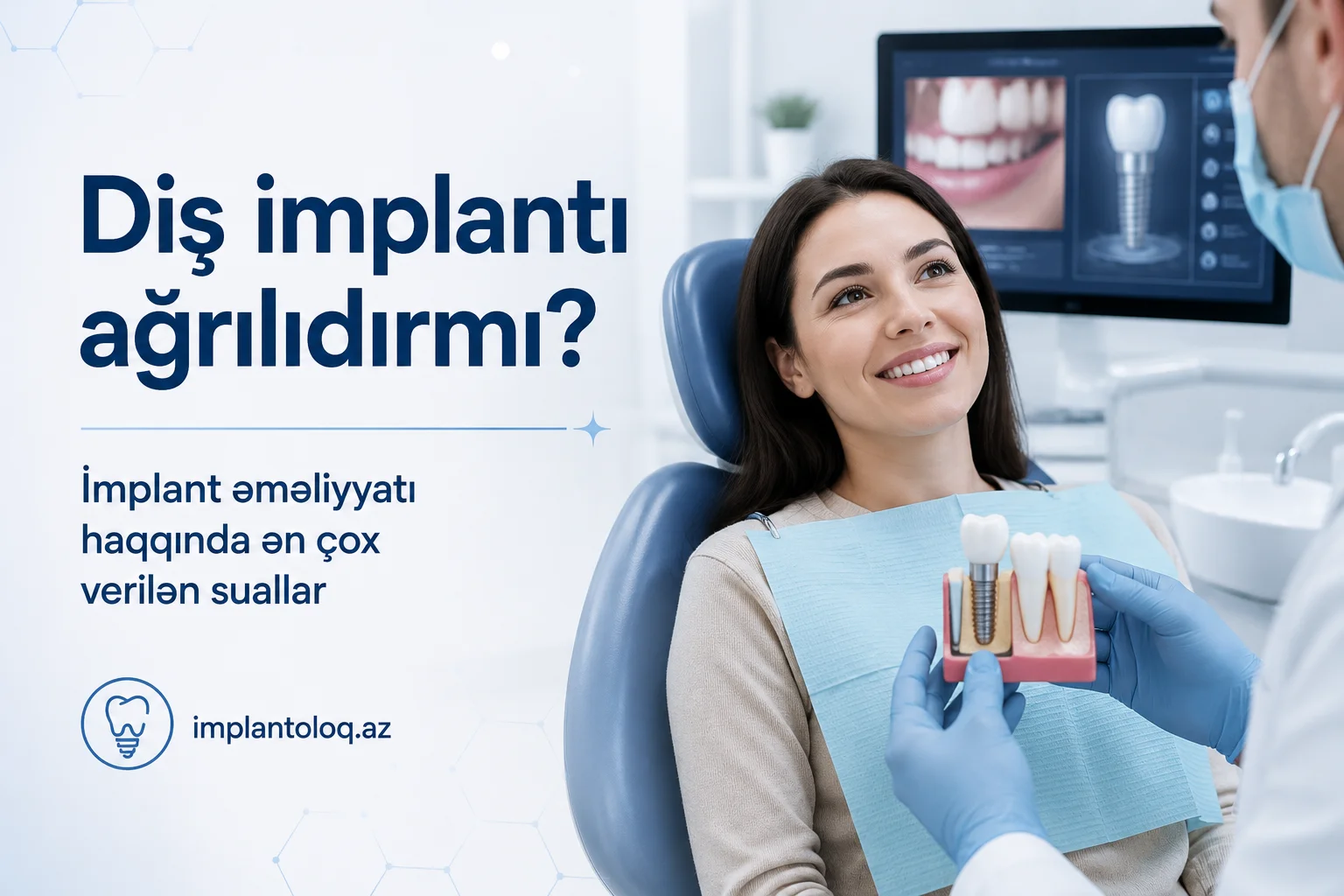
Do Dental Implants Hurt? Frequently Asked Questions About Implant Surgery
One of the questions people ask most often before getting a dental implant is this: “Does an implant hurt?” It is a completely normal question. Implant surgery is a surgical procedure in the mouth, and many people worry beforehand about pain, swelling, fear, healing time and getting back to everyday life.
In modern implantology the goal is not only to replace a lost tooth but also to make the patient feel as comfortable as possible during the procedure. Today dental implant treatment is more planned, more precise and more comfortable than in earlier years. Thanks to computed tomography, 3D diagnostics, proper planning and the approach of an experienced implantologist, implant surgery is carried out in a more controlled way.
The key point for patients considering an implant is this: pain during implant surgery is usually not as severe as people expect. Because the procedure is done under local anaesthesia, the patient should not feel sharp pain during the operation. After surgery there may be some discomfort, mild pain, swelling and sensitivity. These are often considered a normal part of healing.
This article explains in detail whether a dental implant hurts, what you may feel after surgery, advice for anxious patients and why choosing the right implantologist matters.
Why does a dental implant seem frightening?
Many people imagine a dental implant as a very heavy and painful procedure. The main reason is that the implant is placed in the jawbone. Patients think that if the bone is involved, the procedure must be very painful. But this is not always true.
In modern dentistry most surgical procedures are performed under local anaesthesia. This means the area being treated is numbed and the patient should not feel pain during the procedure. The patient may feel pressure, movement or slight vibration, but this is not the same as pain.
Another reason for fear of implants is bad experiences with dentists in the past. Some people carry fear from childhood or from earlier treatments. For these patients an implant procedure can feel psychologically harder. That is why it is very important for the implantologist to communicate well with the patient, explain the procedure and go through the stages in advance.
When the patient knows what will happen, there is less fear. Uncertainty, on the other hand, makes people more anxious. So the consultation before an implant is not just an examination; it is also an important step where the patient gets answers to their questions.
Is there pain during implant surgery?
The main aim during dental implant surgery is that the patient feels no pain. To achieve this, the area is numbed with local anaesthesia. When the anaesthesia is done properly, the patient does not feel sharp pain during the procedure.
The patient may only feel some pressure, movement or touch. This is normal. Anaesthesia blocks pain but may not completely remove the sensation of pressure. These sensations can be unsettling, but they should not be taken as pain.
If the patient feels pain during surgery, they should tell the doctor right away. An experienced implantologist can give additional anaesthesia in such cases and keep the patient comfortable. Staying silent and putting up with it is not the right approach. Open communication with the doctor helps the procedure go more comfortably.
How comfortable implant surgery is depends on the doctor’s experience, the planning, the technology used and the patient’s individual situation. If the bone volume is good and there is no need for extra procedures such as bone grafting or a sinus lift, implant placement can be simpler and shorter.
Is pain after surgery normal?
After implant surgery there may be mild to moderate discomfort. This is the tissues’ healing response to the surgical procedure. As the numbness wears off after the operation, the patient may feel sensitivity, aching or mild pain in that area.
This pain is usually at a manageable level. Following the medication and care instructions prescribed by the doctor helps reduce discomfort. Most importantly, the patient should not take medication on their own but should follow the doctor’s instructions.
The first 24-48 hours after surgery are considered the more sensitive period. During this time there may be mild swelling, discomfort when opening the mouth and sensitivity where the implant was placed. These usually ease gradually.
However, if the pain gets worse day by day, the swelling increases, or a bad smell, pus, high temperature or severe discomfort appears, you must contact the doctor. These signs may differ from normal healing and should be assessed by the implantologist.
Can there be swelling and bruising after an implant?
Yes, there may be some swelling after implant surgery. It is seen more often when a more extensive procedure is done, several implants are placed or additional bone procedures are involved.
Swelling usually appears in the first days and then gradually goes down. Some patients may also have mild bruising. This is the tissues’ reaction to the surgical procedure. It is not the same for every patient. Some people have almost no swelling, while in others it can be more noticeable.
The patient’s body, tissue sensitivity, the extent of the surgery and the doctor’s technique all play a role here. Proper planning and a minimally traumatic approach can reduce the risk of swelling.
After surgery the patient should follow the doctor’s advice on eating, hygiene and care. During healing it is very important not to put pressure on the implant area, to stay away from smoking and to pay attention to oral hygiene.
What should patients who are afraid of implants do?
Fear of implants is very common. Some people are afraid of pain, some are worried about the needle, and some feel anxious as soon as they hear the words “surgical procedure”. There is no need to hide this fear. On the contrary, the patient should tell the implantologist openly about it.
An experienced doctor talks to an anxious patient more calmly, with explanations and step by step. They explain how the procedure will be done, what stages there will be, how long it will take and what to pay attention to after surgery. This information helps the patient feel safer.
For some patients it can help to write down all their questions before the procedure. For example:
How long will the implant surgery take?
Will I feel pain during the procedure?
How many days of discomfort can there be after surgery?
When can I go back to work?
What should I be careful about when eating and drinking?
Knowing the answers to these questions in advance can greatly reduce the patient’s fear. Remember that when implant treatment is carried out according to a plan, it becomes a more comfortable and controlled process for the patient.
What determines whether an implant hurts?
The discomfort felt during and after a dental implant depends on several factors. Because every patient’s situation is different, the experience of the procedure can also differ.
One of the most important factors is the condition of the bone. If the jawbone is healthy enough and has a suitable volume for an implant, the procedure can be simpler. But if there is a bone deficiency, additional procedures such as bone grafting or a sinus lift may be needed. In that case healing can take longer and be more sensitive.
The second factor is the number of implants. Placing a single implant is not the same as placing several. More implants mean a more extensive procedure, which can increase the likelihood of swelling and sensitivity after surgery.
The third factor is the doctor’s experience. Proper planning, precise placement and an approach that causes minimal trauma to the tissues all affect the patient’s comfort. An experienced implantologist does not just perform the procedure technically but also thinks ahead about the patient’s healing.
The fourth factor is whether the patient follows the post-operative instructions. If the patient does not follow the doctor’s advice, smokes, puts load on the implant area and neglects oral hygiene, healing can be more problematic.
How does choosing the right implantologist reduce pain and fear?
Choosing the right implantologist is very important in implant treatment. The patient’s experience of pain, fear and healing depends not only on the implant itself but also on the doctor’s approach.
A good implantologist first examines the patient, evaluates the X-ray or 3D CT results, analyses the bone condition and only then prepares a treatment plan. Placing an implant without planning is a risky approach.
The right doctor gives the patient realistic information. For example, instead of saying “you won’t feel anything”, they explain that there should be no pain during the procedure but that a feeling of pressure and movement is possible. This is a more honest approach and more useful for the patient.
In addition, the implantologist should also explain the post-operative period. The patient should know which situations are normal and when to contact the doctor. This information calms the patient and prevents panic.
When choosing an implantologist in Baku, looking only at the price is not the right approach. The main criteria are the doctor’s experience, the diagnostic methods used, sterile conditions, treatment planning and good communication with the patient.
When can you return to daily life after implant surgery?
Many patients ask when they can return to work and everyday life after an implant. This depends on the extent of the surgery and the patient’s general condition.
After a simple single implant procedure, some patients can return to their daily activities within a short time. But with more extensive procedures, bone grafting or placement of several implants, recovery can take longer.
In the first days it is recommended to avoid heavy physical work, sport, hot food and pressure on the implant area. The patient should attend the check-ups set by the doctor and have the healing monitored.
If your work is not physically demanding, it may be possible to return to your normal routine soon, with the doctor’s approval. But this decision should be made based on the individual situation, not a general rule.
What is the best approach for those afraid of implant pain?
If you want an implant but are afraid of pain, the first step is to get accurate information. There are many different opinions on the internet. Sometimes people present their personal experience as a general truth, even though every patient’s situation is different.
The best way is to book a consultation with an implantologist and have your mouth checked. After the examination the doctor can tell you more precisely how simple or complex the procedure will be for you.
It is normal to be afraid of an implant. But this fear should not lead you to leave a lost tooth unreplaced for a long time. Over time tooth loss can affect chewing, the condition of the neighbouring teeth and the health of the jawbone.
In modern implantology the main aim is to achieve a result that is as comfortable, safe and long-lasting as possible for the patient. With proper planning and a professional approach, implant treatment can be easier than you think.
Frequently asked questions
Is a dental implant a painful procedure?
Because implant surgery is done under local anaesthesia, sharp pain should not be felt during the procedure. The patient may feel pressure and movement, but this is not the same as pain.
How many days does pain last after an implant?
Mild discomfort and sensitivity may occur in the first days. How long the pain lasts varies with the extent of the surgery, the patient’s condition and the healing process. If the pain is severe and getting worse, you should contact the doctor.
Is swelling normal after an implant?
Yes, mild swelling after implant surgery can be normal. It may be more visible especially if several implants or an additional surgical procedure were done.
What should people afraid of implants do?
First of all, talk openly with the implantologist. Tell the doctor about your fears, ask about the stages of the procedure and find out in advance what to expect.
How long does implant surgery take?
It depends on the number of implants, the condition of the bone and whether additional procedures are needed. A simple single implant takes less time, while complex treatments can take longer.
Can I go back to work after an implant?
After simple procedures some patients can return to their daily activities within a short time. But for heavy physical work and sport you should wait for the doctor’s approval.
What can I do to reduce implant pain?
Follow the medication and care instructions given by the doctor. Taking medication on your own or interfering with the implant area is not the right thing to do.
One of the biggest fears about dental implants is pain. But in modern implantology, when implant surgery is carried out with local anaesthesia, proper planning and a professional approach, it can be a more comfortable process for the patient. Sharp pain should not be felt during the procedure, and after surgery mild discomfort and swelling can be part of normal healing.
The most important thing is to start implant treatment without rushing, with a proper examination and planning. The bone condition, how long the tooth has been missing, the number of implants and the patient’s general health must all be taken into account. An experienced implantologist both performs the procedure correctly and gives the patient clear information to reduce their fears.
If you want a dental implant and are afraid of pain, the first step is a professional consultation. Choosing the right implantologist, 3D diagnostics and an individual treatment plan can help the implant process go more comfortably, safely and successfully.
On the Implantoloq.az website you can find useful information about dental implants, choosing an implantologist, implant surgery, the healing period and modern implantology.
This is general information. Your suitability, treatment time and cost are assessed individually during an examination.